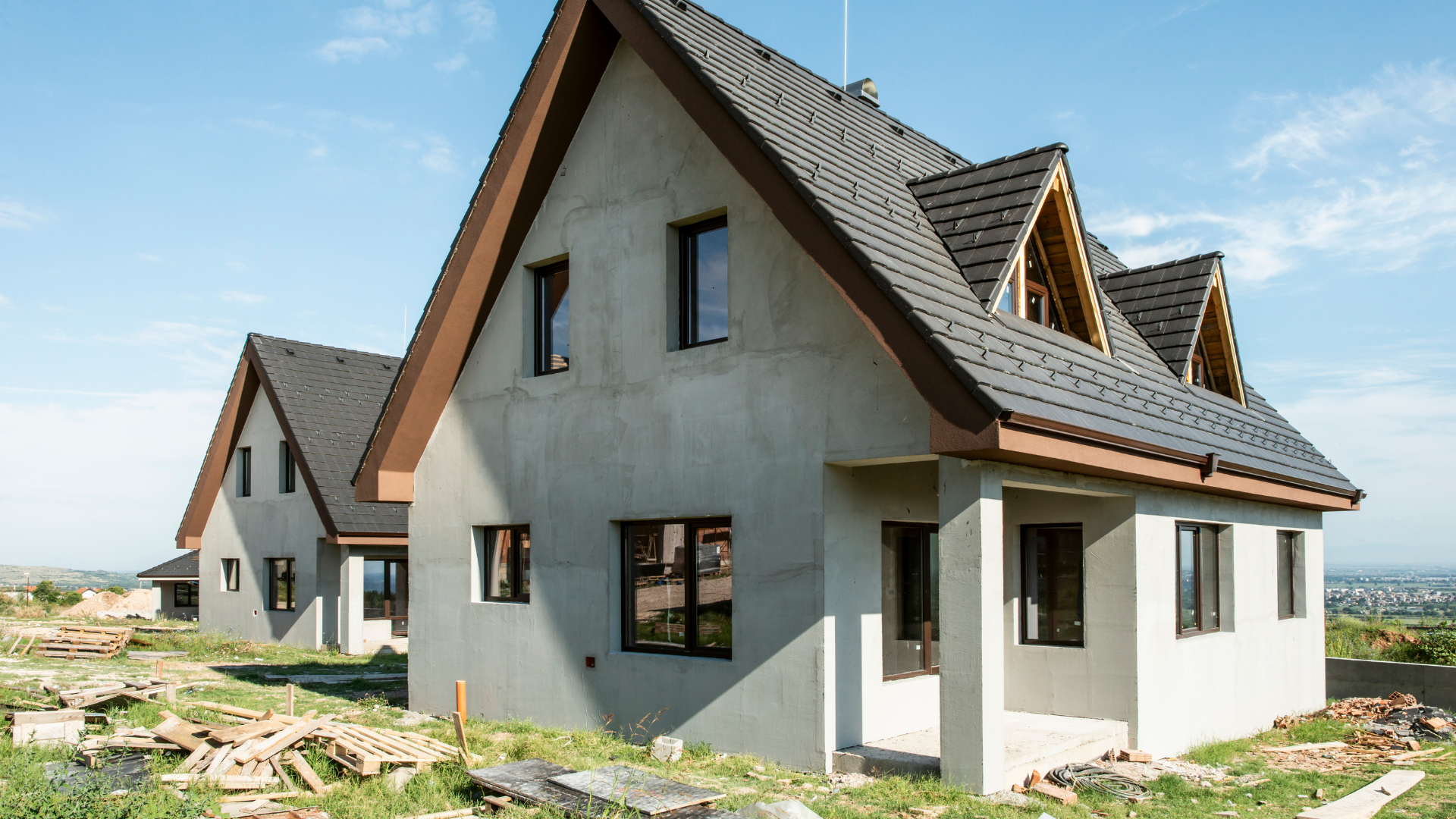
Smart Steps to Get Your Home Market-Ready

Nisha Lalwani • October 8, 2025

Thinking About Selling Your Home? Start With These 3 Key Questions

Selling your home is a major move—emotionally, financially, and logistically. Whether you're upsizing, downsizing, relocating, or just ready for a change, there are a few essential questions you should have answers to before you list that "For Sale" sign.


1. How Will I Get My Home Sale-Ready?

Before your property hits the market, you’ll want to make sure it puts its best foot forward. That starts with understanding its current market value—and ends with a plan to maximize its appeal.


A real estate professional can walk you through what similar homes in your area have sold for and help tailor a prep plan that aligns with current market conditions.


Here are some things you might want to consider:

  • Decluttering and removing personal items
  • Minor touch-ups or repairs
  • Fresh paint inside (and maybe outside too)
  • Updated lighting or fixtures
  • Professional staging
  • Landscaping or exterior cleanup
  • High-quality photos and possibly a virtual tour


These aren’t must-dos, but smart investments here can often translate to a higher sale price and faster sale.


2. What Will It Actually Cost to Sell?

It’s easy to look at the selling price and subtract your mortgage balance—but the real math is more nuanced.


  • Here's a breakdown of the typical costs involved in selling a home:
  • Real estate agent commissions (plus GST/HST)
  • Legal fees
  • Mortgage discharge fees (and possibly a penalty)
  • Utility and property tax adjustments
  • Moving expenses and/or storage costs


That mortgage penalty can be especially tricky—it can sometimes be thousands of dollars, depending on your lender and how much time is left in your term. Not sure what it might cost you? I can help you estimate it.


3. What’s My Plan After the Sale?

Knowing your next step is just as important as selling your current home.


If you're buying again, don’t assume you’ll automatically qualify for a new mortgage just because you’ve had one before. Lending rules change, and so might your financial situation. Before you sell, talk to a mortgage professional to find out what you’re pre-approved for and what options are available.


If you're planning to rent or relocate temporarily, think about timelines, storage, and transition costs.


Clarity and preparation go a long way. The best way to reduce stress and make confident decisions is to work with professionals you trust—and ask all the questions you need.


If you’re thinking about selling and want help mapping out your next steps, I’d be happy to chat anytime. Let’s make a smart plan, together.


Nisha Lalwani
CANADIAN MORTGAGE EXPERT
RECENT POSTS 

By Nisha Lalwani January 14, 2026
Thinking About Buying a Second Property? Here’s What to Know Buying a second property is an exciting milestone—but it’s also a big financial decision that deserves thoughtful planning. Whether you're dreaming of a vacation retreat, building a rental portfolio, or looking to support a family member with a place to live, there are plenty of reasons to consider a second home. But before you jump in, it's important to understand the strategy and steps involved. Start with “Why” The best place to begin? Clarify your motivation. Ask yourself: Why do I want to buy a second property? What role will it play in my life or finances? How does this fit into my long-term goals? Whether your focus is lifestyle, income, or legacy planning, knowing your “why” will help you make smarter decisions from the start. Talk to a Mortgage Expert Early Once you’ve nailed down your goals, the next step is to sit down with an independent mortgage professional. Why? Because buying a second property isn't quite the same as buying your first. Even if you’ve qualified before, financing a second home has unique considerations—especially when it comes to down payments, debt ratios, and how lenders assess risk. How Much Do You Need for a Down Payment? Here’s where the purpose of the property really matters: Owner-occupied or family use: You may qualify with as little as 5–10% down, depending on the property and lender. Income property: Expect to put down 20–35%, especially for short-term rentals or if it won’t be occupied by you or a family member. Your down payment amount can be one of the biggest hurdles—but with strategic planning, it’s often manageable. Ways to Fund the Down Payment If you don’t have the full amount in cash, you might be able to tap into your current home’s equity to help fund the purchase. Here are a few ways to do that: ✅ Refinance your existing mortgage to access additional funds ✅ Secure a second mortgage behind your current one ✅ Open a HELOC (Home Equity Line of Credit) ✅ Use a reverse mortgage (in certain age-qualified scenarios) ✅ Take out a new mortgage if your current home is mortgage-free These options depend on your income, credit, home value, and overall financial picture—another reason why having a pro in your corner matters. Second Property Strategy: It’s More Than Just Numbers This purchase should be part of a bigger financial plan—one that balances risk and reward. It’s about: Assessing your full financial health Maximizing your existing assets Minimizing your cost of borrowing Aligning your purchase with your long-term goals Ready to Take the Next Step? There’s no one-size-fits-all answer when it comes to buying a second property. That’s why it helps to talk things through with someone who understands both the big picture and the small details. If you’re ready to explore your options and build a plan to make that second property dream a reality, let’s connect. I’d love to help you take the next step with confidence.
By Nisha Lalwani January 7, 2026
Cashback Mortgages: Are They Worth It? Here’s What You Need to Know If you’ve been exploring mortgage options and come across the term cashback mortgage , you might be wondering what exactly it means—and whether it’s a smart move. Let’s break it down in simple terms. What Is a Cashback Mortgage? A cashback mortgage is just like a regular mortgage—but with one extra feature: you receive a lump sum of cash when the mortgage closes . This cash is typically: A fixed amount , or A percentage of the total mortgage , usually between 1% and 7% , depending on your mortgage term and lender. The money is tax-free and paid directly to you on closing day. What Can You Use the Cashback For? There are no restrictions on how you use the funds. Here are some common uses: Covering closing costs Buying new furniture Renovations or home upgrades Paying off high-interest debt Boosting your cashflow during a tight transition Whether it’s to help you settle in or catch up financially, cashback can offer a helpful buffer— but it comes at a cost . The True Cost of a Cashback Mortgage Here’s the part many people overlook: cashback mortgages come with higher interest rates than standard mortgages. Why? Because the lender is essentially advancing you a small loan upfront—and they’re going to make that money back (and then some) through your mortgage payments. So while the upfront cash feels like a bonus, you’ll pay more in interest over time to have that convenience. Breaking Down the Numbers It’s hard to give a blanket answer about how much more you’ll pay since it depends on: Your interest rate The cashback amount The mortgage term Your payment schedule This is why it’s important to run the numbers with a mortgage professional who can help you compare this option with others based on your personal financial situation. Are You Eligible for a Cashback Mortgage? Not everyone qualifies. Cashback mortgages generally come with stricter requirements . Lenders often want to see: Excellent credit history Strong, stable income Low debt-to-income ratio If your mortgage file includes anything “outside the box”—like being self-employed or recently changing jobs—qualifying for a cashback mortgage might be tough. What If You Need to Break the Mortgage? This is one of the biggest risks with cashback mortgages. If your circumstances change and you need to break your mortgage early, you could be on the hook for: Paying back some or all of the cashback you received, and A prepayment penalty (typically the interest rate differential or 3 months’ interest—whichever is higher) That can be a very expensive combination. So if there’s even a chance you might need to sell, refinance, or move before your term is up, a cashback mortgage might not be the best fit. Should You Consider a Cashback Mortgage? Maybe—but only with eyes wide open. Cashback mortgages can be helpful in the right scenario, but they’re not free money. They’re a lending tool that benefits the lender , and the key is knowing exactly what you’re agreeing to. Final Thoughts: Talk to an Expert First Choosing the right mortgage isn’t just about the lowest rate or the biggest perk—it’s about making a choice that fits your whole financial picture. If you’re considering a cashback mortgage, or just want to explore all your options, let’s talk. As an independent mortgage professional , I can help you weigh the pros and cons of various products, so you can make a confident, informed decision. Have questions? I’d be happy to help—reach out anytime.